Does your child’s emotional intensity leave you feeling helpless? When meltdowns happen over “small” things, it’s easy to wonder if you’re doing something wrong. Here’s the truth: Your child isn’t being difficult; they’re having difficulty. And for highly sensitive children, big emotions can feel absolutely overwhelming because their nervous systems process everything more deeply. Emotion regulation is a teachable skill. With the right regulation activities and consistent practice, your child can learn to identify emotions, navigate intense feelings, and return to their calm green zone with confidence. In this complete guide, you’ll discover 10 proven emotional regulation activities for kids, specifically designed for sensitive, empathic, and emotionally intense children, plus expert tips to make them work in your home.
Understanding Emotional Regulation: What Every Parent Needs to Know
Emotional regulation is your child’s ability to recognize, understand, and manage their emotional responses in healthy ways. It’s not about suppressing feelings or forcing compliance, it’s about building regulation skills that allow children to experience emotions without being overwhelmed by them.
For highly sensitive children (HSCs), developing these regulation skills is particularly crucial. Their nervous systems are wired to process sensory and emotional information more deeply, which means they:
- Feel emotions more intensely than their peers
- Need more time to process and recover from big emotions
- Become overwhelmed more easily in stimulating environments
- Require more support learning to identify emotions and self-soothe
When children develop strong social emotional skills and emotion regulation abilities, they experience fewer meltdowns, build better relationships, and gain the confidence to handle life’s challenges.
The good news? Every child can develop emotional regulation skills with the right support and consistent practice. When a parent understands how their child’s nervous system works, they become infinitely more effective at helping their child regulate their emotions in healthy, age-appropriate ways. And that’s exactly what this guide teaches kids, not just coping strategies, but a whole new relationship with their inner emotional world.
The 10 Best Emotional Regulation Activities for Kids
1. Deep Breathing Exercises (That Kids Actually Enjoy)
First up for our top 10 best emotional regulation activities for kids is deep breaths. Deep breaths are the foundation of emotion regulation. When your child takes slow, intentional breaths, it signals their nervous system to calm down and helps them shift from fight-or-flight mode back to their green zone.
The Balloon Breath: Have your child place their hands on their belly and imagine it’s a balloon. As they breathe in slowly through their nose for 4 counts, the balloon expands. As they exhale through their mouth for 6 counts, the balloon deflates. The longer exhale activates the parasympathetic nervous system.
The Snake Breath: Breathe in deeply through the nose, then exhale with a long “sssssss” sound like a snake. This gives children an auditory focus and makes breathing fun.
The Bubble Breath: Use an actual bubble wand. To blow bubbles successfully, children must take deep breaths and exhale slowly and gently—perfect regulation practice disguised as play.
Expert Tip: Practice deep breaths when your child is calm. This creates muscle memory so the skill is accessible during moments of big emotions.
2. Feelings Charts to Identify Emotions Accurately
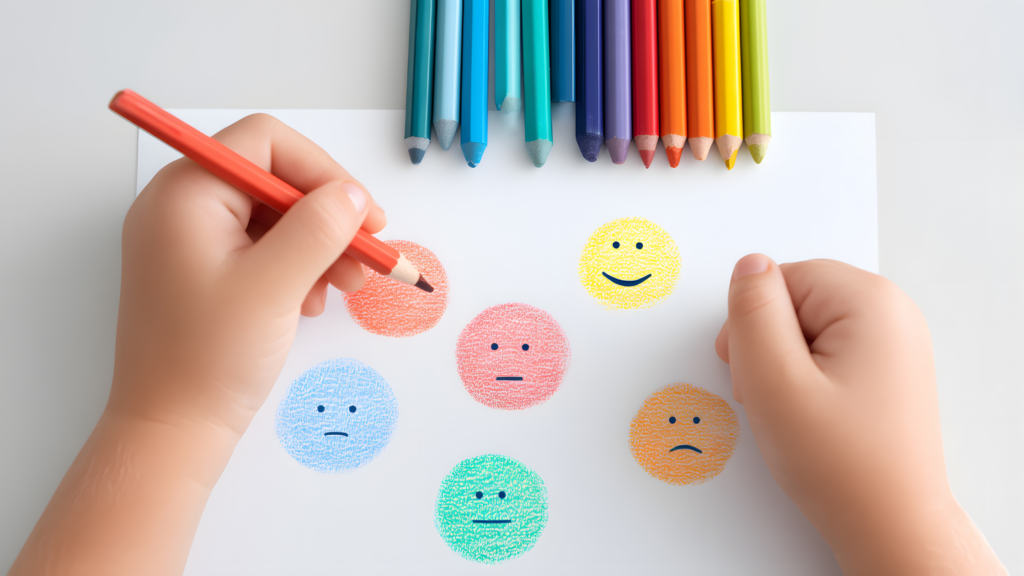
Many children struggle with emotional regulation because they lack the vocabulary to identify emotions precisely. When they can name what they’re feeling, they gain power over the emotion instead of being controlled by it.
How to create an effective feelings chart:
- Include a range of emotions with facial expressions (happy, sad, angry, frustrated, worried, excited, disappointed, overwhelmed)
- Add intensity levels (a little worried vs. very worried)
- Include physical sensations (“my chest feels tight,” “my stomach feels fluttery”)
- Make it interactive—use a pointer or clothespin your child can move
Daily practice: Throughout the day, ask “What emotion are you feeling right now?” or “Where would you point to on the feelings chart?” This builds the self-awareness needed for social emotional development.
Expert Tip: Model your own emotion identification. “I’m feeling frustrated right now because I can’t find my keys. I’m pointing to ‘annoyed’ on our chart.”
3. The Zones of Regulation Framework
The Zones of Regulation is one of the most effective regulation activities for helping children understand their emotional states and choose appropriate responses.
The four zones:
- Green Zone: Calm, focused, ready to learn—this is the optimal state
- Yellow Zone: Elevated emotions (excited, frustrated, anxious, silly) but still in control
- Red Zone: Extremely intense emotions, fight-or-flight activated, out of control
- Blue Zone: Low energy, sad, tired, sick, or withdrawn
How to use it: Create a visual poster with the zones. Throughout the day, help your child identify which zone they’re in. Then, choose regulation activities matched to their zone:
- Yellow zone → calming strategies like deep breaths or quiet activities
- Red zone → intense physical release, then calming
- Blue zone → energizing activities like crunchy snacks or movement
Expert Tip: All zones are normal and okay. The goal isn’t to stay in the green zone constantly—it’s to recognize your zone and know how to shift when needed.
4. Sensory Regulation Activities for Grounding
Highly sensitive children often need sensory input to regulate their nervous systems. These activities provide the physical grounding that helps them return to their green zone.
Heavy work activities (calming):
- Pushing a laundry basket full of toys
- Carrying groceries or heavy books
- Wall push-ups or chair push-ups
- Jumping on a trampoline
- Climbing playground equipment
Tactile activities:
- Playing with kinetic sand, playdough, or slime
- Squeezing stress balls
- Running hands through a sensory bin (rice, beans, water beads)
Calming sensory experiences:
- Using a weighted blanket
- Taking a warm bath with Epsom salts
- Listening to calming music or white noise
- Dimming lights and reducing visual stimulation
Expert Tip: Notice which sensory inputs calm your specific child. Some need movement, others need deep pressure, and others need quiet and low stimulation. Follow your child’s lead.
5. Movement-Based Regulation Activities
Movement is medicine for the nervous system. When big emotions get stuck in the body, physical activity helps process and release them.
For releasing intense emotions:
- Jumping jacks or star jumps
- Running in place or around the yard
- Dancing wildly to upbeat music
- Punching a pillow or hitting a drum
For calming and centering:
- Slow stretching or simple yoga poses (child’s pose, cat-cow, tree pose)
- Walking meditation—walking slowly while focusing on each step
- Swinging on a swing with eyes closed
- Rocking in a rocking chair
The Shake It Out: When emotions feel stuck, encourage your child to literally shake their whole body—arms, legs, head—for 30 seconds. This releases physical tension and shifts energy.
Expert Tip: Match the intensity of the movement to your child’s zone. Red zone needs intense release first, then calming movement. Yellow zone might just need gentle stretching.
6. Creating a Personalized Calm-Down Kit
A calm-down kit gives children concrete tools for emotion regulation that they can access independently. The key is personalization—let your child help create it so they’re invested in using it.
What to include:
- Fidget toys (pop-its, fidget spinners, tangle toys)
- Stress balls or putty
- A small bottle of calming essential oil (lavender, chamomile)
- Favorite calming music playlist or headphones
- A beloved stuffed animal
- Pictures of happy memories
- A journal and crayons for emotion drawing
- A card with deep breaths instructions
- A small glitter jar for visual calming
Where to keep it: Make it easily accessible—in their room, the living room, or even a portable version for school or car trips.
Expert Tip: Review the kit together regularly. Remove items that aren’t being used and add new ones your child requests. The kit should evolve with their needs.
7. Emotion Journaling and Drawing
Not all children are verbal processors, especially during big emotions. Journaling and drawing provide alternative pathways to identify emotions and process them.
Simple prompts for younger children:
- “Draw how you’re feeling right now”
- “What color is this emotion?”
- “Draw the biggest feeling you had today”
For older children:
- “What happened today that triggered big emotions?”
- “In my body, this feeling feels like…”
- “If my emotion could talk, it would say…”
Emotion comics: Have your child draw a three-panel comic showing: (1) what happened, (2) how they felt, (3) what they wish they’d done differently.
Expert Tip: Never critique or correct their emotional expression in journals or drawings. This is their safe space to process without judgment.
8. Mindful Moments and Grounding Techniques
Mindfulness helps children get out of their racing thoughts and into the present moment, which naturally supports emotion regulation.
The 5-4-3-2-1 Grounding Technique:
- Name 5 things you can see
- Name 4 things you can touch
- Name 3 things you can hear
- Name 2 things you can smell
- Name 1 thing you can taste
This engages all the senses and brings attention back to the present, pulling children out of overwhelming emotional spirals.
Mindful listening: Ring a bell or chime and have your child raise their hand when they can no longer hear the sound. This builds focus and calm.
Body scan: Lying down, guide your child’s attention through each body part, noticing tension and releasing it.
Expert Tip: Keep mindfulness exercises short (2-5 minutes) for younger children. The goal is consistent practice, not perfection.
9. Physical Release Activities for Intense Emotions
Sometimes big emotions need big releases. These regulation activities provide safe, appropriate outlets for intense feelings.
For anger and frustration:
- Ripping up old magazines or newspapers
- Hitting pillows or a punching bag
- Throwing ice cubes at the bathtub wall (they break apart safely)
- Stomping feet loudly
For anxiety and worry:
- Popping bubble wrap
- Squeezing and releasing play-dough
- Doing rapid-fire jumping jacks until tired
- Screaming into a pillow
For sadness:
- Allowing tears to flow without rushing to fix it
- Taking a long bath or shower
- Curling up under a weighted blanket
- Listening to music that matches the emotion
Expert Tip: Validate the emotion before offering the physical release. “You’re so angry right now. That anger is okay. Let’s go stomp it out together.”
10. Co-Regulation with Parents (The Most Powerful Tool)
Here’s what many parents don’t realize: Your calm, regulated nervous system is the most powerful regulation tool your child has. Children learn emotion regulation primarily through co-regulation—experiencing your calm presence during their storm.
How to co-regulate effectively:
Stay calm yourself: Take your own deep breaths. Your child’s nervous system is reading yours constantly.
Get physically close: Sit nearby (not hovering, just present). For some children, gentle touch helps; for others, space is better.
Use a calm voice: Speak slowly and quietly, even if they’re yelling.
Validate without fixing: “You’re having such big feelings right now. I’m right here with you.”
Wait for the storm to pass: Don’t try to teach, reason, or problem-solve during a meltdown. Your only job is to be a calm, safe presence.
Reflect later: Once everyone is back in the green zone, reflect together. “That was a really big emotion. What do you think we could try next time?”
Expert Tip: You cannot regulate your child if you’re dysregulated yourself. It’s okay to say, “I need a minute to calm down first, then I’ll help you.” This models healthy emotion regulation.
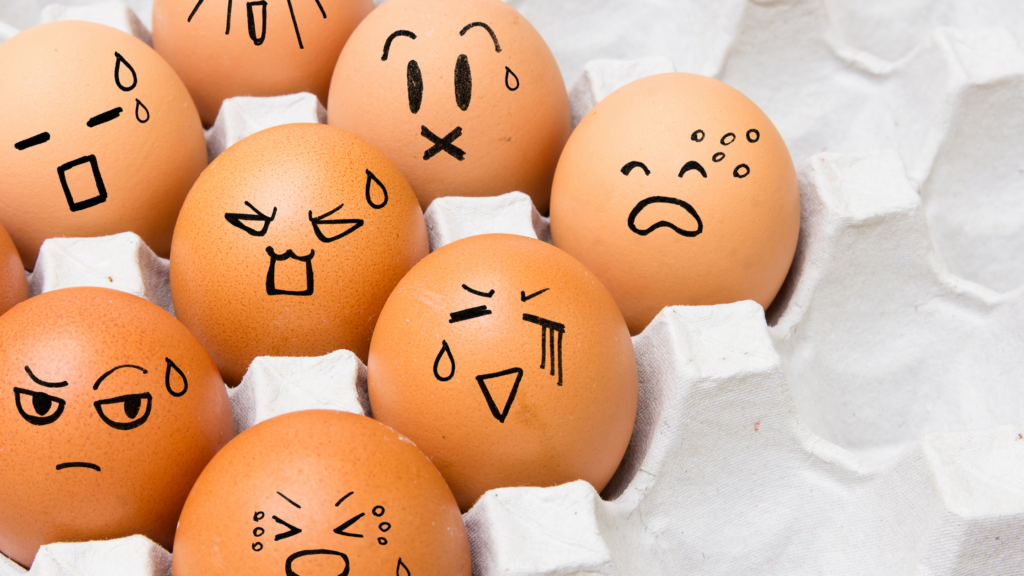
Expert Tips for Making These Emotional Regulation activities for Kids Work
Tip #1: Practice During Calm Moments Don’t wait for a meltdown to introduce these regulation skills. Practice deep breaths, try sensory activities, and explore the calm-down kit when everyone is already in their green zone. This makes the tools accessible when emotions run high.
Tip #2: Follow Your Child’s Lead Every child responds differently to regulation activities. One child might find deep breaths incredibly calming, while another feels more regulated through movement. Offer options and notice what works for your unique child.
Tip #3: Be Patient with the Process Building regulation skills takes time, especially for highly sensitive children who feel everything more intensely. You might see small improvements within weeks, but deep neurological changes take months of consistent practice.
Tip #4: Address Your Own Regulation First If you struggle with your own emotion regulation, your child will sense it. Working on your own social emotional skills isn’t selfish—it’s essential modeling.
Tip #5: Remember: All Emotions Are Welcome The goal of these regulation activities isn’t to eliminate big emotions or create a constantly calm child. It’s to help your child experience their full range of emotions while developing the skills to navigate them without being overwhelmed.
You Don’t Have to Navigate This Alone
If you’re reading this guide, you’re already taking an important step, you’re seeking solutions to help your sensitive, intense child thrive. You’re recognizing that their big emotions aren’t something to fix, but rather signals that they need support developing regulation skills.
Here’s what I know from coaching thousands of families: Your child’s sensitivity is a profound strength. When they learn to identify emotions and regulate them effectively, that same intensity that creates challenging moments also fuels extraordinary creativity, deep empathy, meaningful relationships, and remarkable insight.
These 10 emotional regulation activities for kids are powerful tools. But sometimes, you need personalized guidance to implement them in ways that work for your specific family and your unique child.
FOR HIGHLY SENSITIVE FAMILIES AND ADULTS
I’m Melissa Schwartz and I’ve privately coached thousands of families and HSPs around the world. I’m the co-founder of Leading Edge Parenting and co-author of “Authentic Parenting Power” and “Rico the Race Car: Rico’s Bumpy Week”.
I work directly with parents and their children (starting around age 7) to teach emotional regulation, walk you through creating loving boundaries and effective consequences and bringing calm and peace to your home.
I also work with deeply feeling adults and have taught over 250,000 highly sensitive, empathic adults as 3 time host of The Shift Network’s “Empaths, Sensitives and Intuitives Summit”.
It is my deepest joy to help you see sensitivity as a strength so you can confidently and unabashedly live the life of your dreams.
⫷ LOVE FROM PREVIOUS CLIENTS ⫸
“I am feeling so grateful to be in Abundantly Sensitive and loving the support and group! Grateful for you!”
— CD, Indiana
SCHEDULE A CALL TO TALK WITH MELISSA
Frequently Asked Questions: Emotional Regulation Activities for kids
Most children show noticeable improvement within 4-8 weeks of consistent practice. However, emotion regulation is a developmental skill that continues maturing through adolescence. Highly sensitive children may need more time and repeated practice, but with patience, these regulation skills become increasingly automatic.
Absolutely not! The best time to build regulation skills is when your child is already in their green zone and calm. Practice deep breaths together, explore the calm-down kit, and try different sensory activities when everyone is regulated. This creates muscle memory so the skills are accessible during moments of big emotions.
During an intense meltdown, your child’s thinking brain is offline and they’re in fight-or-flight mode. Don’t expect regulation activities to work in that moment. Instead, focus on safety, co-regulation, and your own calm presence. Once they’ve calmed slightly, you can gently introduce a regulation skill. The real learning happens afterward when you discuss what happened and plan for next time.
Never force regulation activities during heightened emotions—it will create negative associations. Instead, introduce them playfully during calm times. Make deep breaths into a game, let them decorate their calm-down kit, or have them teach the activities to a stuffed animal. When children feel ownership over the process, they’re much more likely to use the tools.
While these activities are especially helpful for HSCs who experience emotions more intensely, all children benefit from developing strong regulation skills. Every child experiences big emotions and needs tools to navigate them successfully. These same regulation activities support social emotional learning for all children.
Every child is unique. Introduce several different activities and notice which ones your child gravitates toward naturally. Some children respond best to movement-based activities, others to sensory input, and others to breathing and mindfulness. You can also simply ask your child, “Which of these helps you feel calmer?” Their instincts about their own nervous system are often accurate.
Absolutely! These same regulation skills work for adults. In fact, practicing them yourself not only supports your own emotion regulation but also models these skills for your child. Children learn far more from what we do than from what we say.
If you enjoyed this article, The Complete Guide: 10 Best Emotional Regulation Activities for Kids (Plus Expert Tips), you might also enjoy:
- 10 Best Sensory Puzzles For Highly Sensitive Kids
- 25+ Sensory-Friendly Family Christmas Gifts for Highly Sensitive People
- Highly Sensitive Children: Complete Expert Guide for Parents
Pin-it for later: The Complete Guide: 10 Best Emotional Regulation Activities for Kids (Plus Expert Tips)