When it comes to big emotions, anger often gets the spotlight, and not always in a good way. We tell kids “don’t get mad,” as if it’s a switch they can flip off. But the truth is, anger is one of the most powerful and energizing emotions, and it’s normal for kids to feel it.
In fact, anger is often the most pleasurable of the unpleasant emotions. Compared to feeling disappointed, embarrassed, inferior, ashamed, guilty, depressed, victimized, lonely, criticized, jealous, violated, disrespected, humiliated, betrayed, resentful, worried, worthless, insignificant, or rejected… anger feels strong.
It has momentum. It gives kids a sense of power in the face of emotions that can feel powerless.
Here’s the important thing: anger is often just the cover story. Beneath it, you’ll usually find something harder to sit with, hurt feelings, shame, rejection, fear, or sadness. When kids slam doors or shout “you’re so unfair!” they’re often protecting themselves from those more vulnerable feelings.
As parents, our role isn’t to make anger disappear. It’s to help kids manage anger in healthy ways so they can release the energy, calm their bodies, and reconnect with what’s really going on inside.

Why Anger Management Activities for Kids Work
Anger is physical. Kids feel it in their muscles, their heartbeat, their clenched jaws. If that energy doesn’t have somewhere to go, it can spill out as aggression toward people, pets, or property.
The best anger management activities for kids:
- Give the body a safe, physical outlet.
- Provide sensory experiences that calm the nervous system.
- Allow self-expression without shame or punishment.
10 Anger Management Activities for Kids
Below are 10 highly effective anger management activities for kids, plus two bonus creative ideas, that help children release big emotions safely. You can find every tool online, so you’re ready the next time emotions run high.
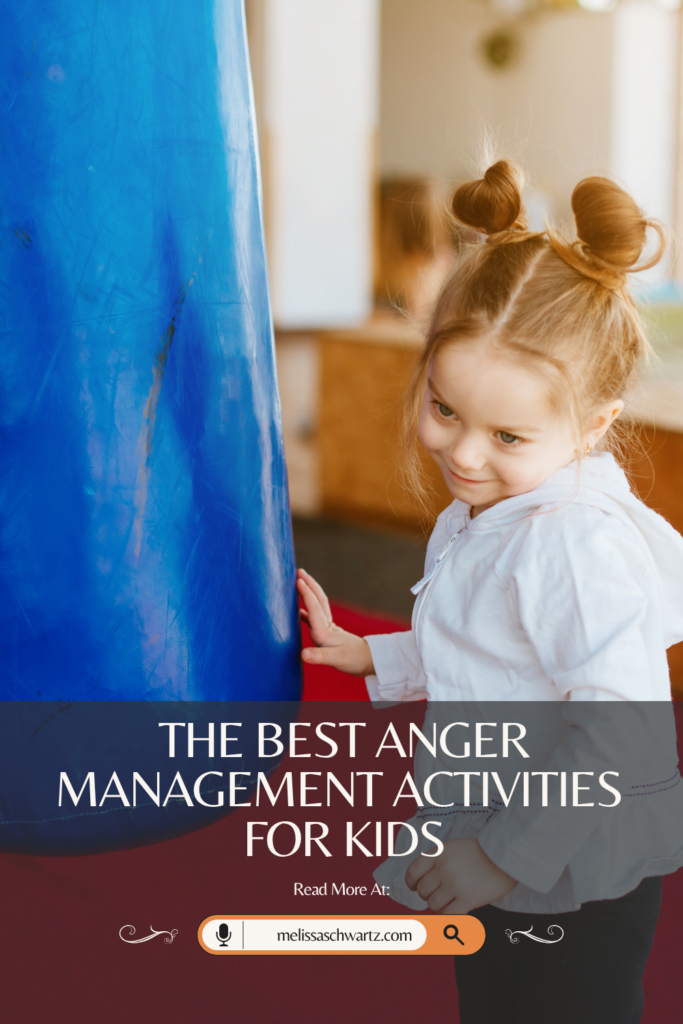
1. Hit a Punching Bag
A safe way to work out frustration without hurting anyone. A kids punching bag lets kids punch, kick, and move until their muscles relax and their breathing slows.
2. Dunk on a Mini Hoop
Basketball is one of the easiest anger outlets. A wall-mounted mini basketball hoops lets kids turn frustration into slam dunks — even in their bedroom or playroom.
3. Fire a Nerf Gun
Sometimes aiming at a safe target is all it takes. A soft nerf shooter channels focus, aim, and release without hurting anyone.
4. Kick a Soccer Ball
Kicking is a natural physical release. A kids soccer ball works in backyards, driveways, or parks — the goal is movement, not competition.

5. Slam Some Slime or Squeeze Silly Putty
Tactile play is a powerful anger release. Choose a non-stick, house friendly slime that won’t ruin clothes or furniture, and let kids squish, stretch, and slam it on a table.
Or go old-school with Silly Putty — they can roll it, flatten it, or pull it apart for a satisfying sensory experience.
6. Smash Ice Cubes
Fill a fun mold like this dinosaur ice cube tray, freeze, then take them outside to smash. The sound, cold, and shatter are cathartic.
7. Try Box Breathing
For kids ready to transition from active to calm, fidget stickers make mindful breathing simple and fun.
8. Cold Exposure
Cooling the body brings down emotional intensity fast. A frozen gel face mask can be pulled out when your child is ready. The chill helps reset the nervous system.
9. Scribble or Journal
Give them permission to go big with their writing or drawing. A set of fun, colorful markers and a blank notebook create a safe anger outlet. Later, they can journal about what happened underneath the anger.
10. Paint by Numbers
Structured art projects calm the mind while giving emotions an outlet. A paint by numbers kit helps kids focus and express feelings through color.
How to Introduce Anger Management Activities to Kids
- Offer choice: Let them pick the outlet they want in the moment.
- Normalize it: “It’s okay to be mad — let’s move that feeling through your body.”
- Stay nearby: Give space but be available for safety and comfort.
- Talk after, not during: Once the energy is out, ask what was going on beneath the anger.
Our Takeaway
Anger management activities for kids aren’t about avoiding big feelings, they’re about giving those feelings somewhere safe to go. When we equip children with outlets for anger, we’re teaching them that all emotions are valid and manageable.
With these tools on hand, you can help your child transform even the stormiest moments into opportunities for self-awareness, resilience, and calm.
If you enjoyed this article, Anger Management Activities for Kids: Turning Big Feelings into Healthy Action, you might also enjoy:
- Healthy Power: The Parenting Approach That Stops Power Struggles Before They Start
- Empathic vs Empathetic: Is There a Difference… And Which Should You Use?
- 10 Reasons Your Kid Should Have a Cell Phone
Pin-it for later: Anger Management Activities for Kids: Turning Big Feelings into Healthy Action